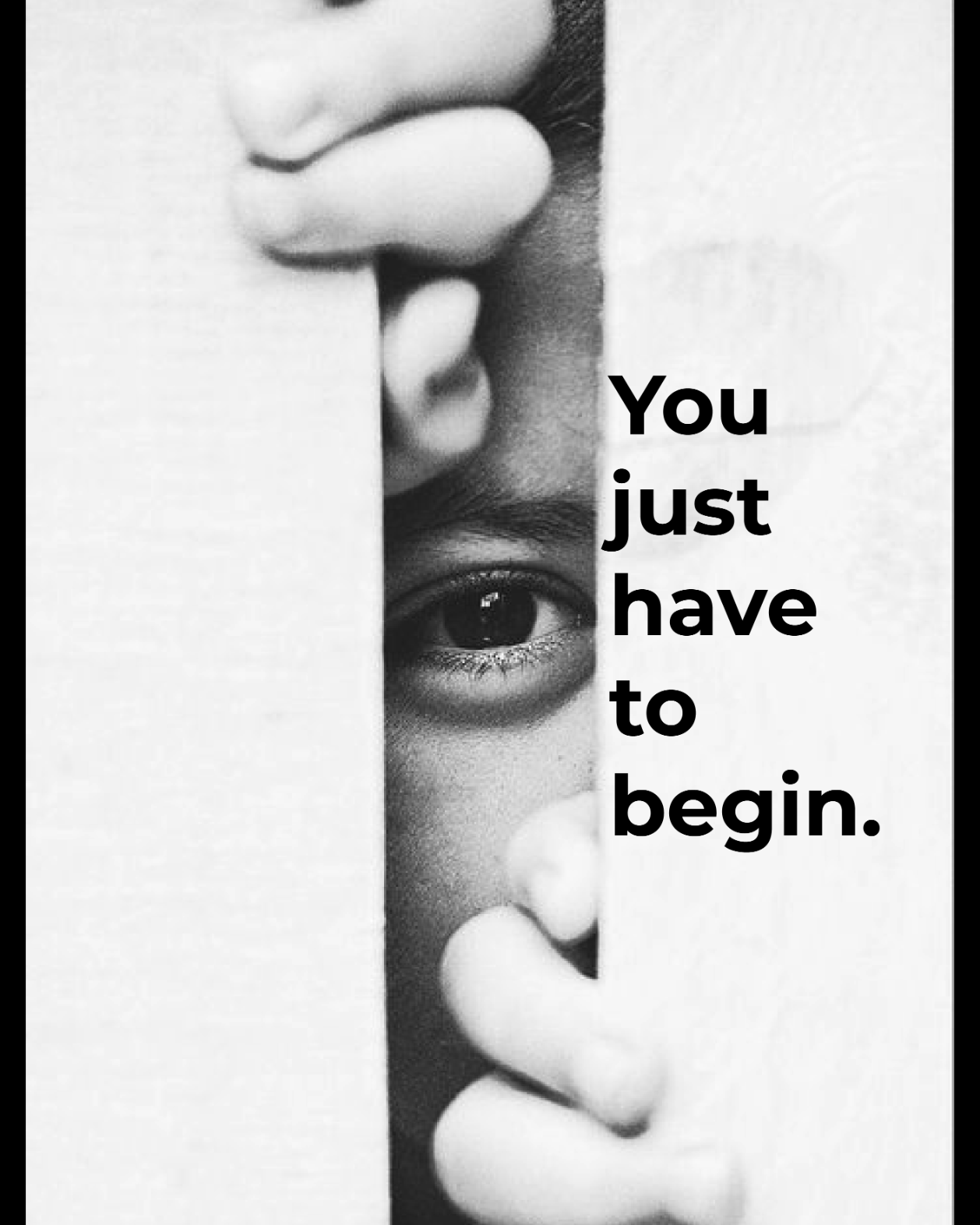
"Before I became a therapist, I was always curious about people."
What makes us think the way we do?
Why do some experiences stay with us long after they have passed?
Why do we sometimes repeat patterns we consciously want to change?
And why can two people experience the same situation so differently?
These questions gradually became more than a curiosity for me. They became the foundation of my work.


I believe people are rarely as simple as their problems make them appear.
Over the years, I've met people who came to therapy believing that something was wrong with them. They described themselves as too anxious. Too emotional. Too sensitive. Too dependent. Too angry. Too insecure. Too stuck.
But as we began exploring their stories, something else often emerged. Their thoughts, emotions and behaviours had a context. Their patterns had a history. Their reactions had meaning.
And underneath what they were struggling with was usually a person trying, in their own way, to cope with something they had experienced, learned or carried for a long time.
That changed the way I understood therapy. I stopped seeing therapy as a process of fixing what was wrong. I began seeing it as a process of understanding what was there.
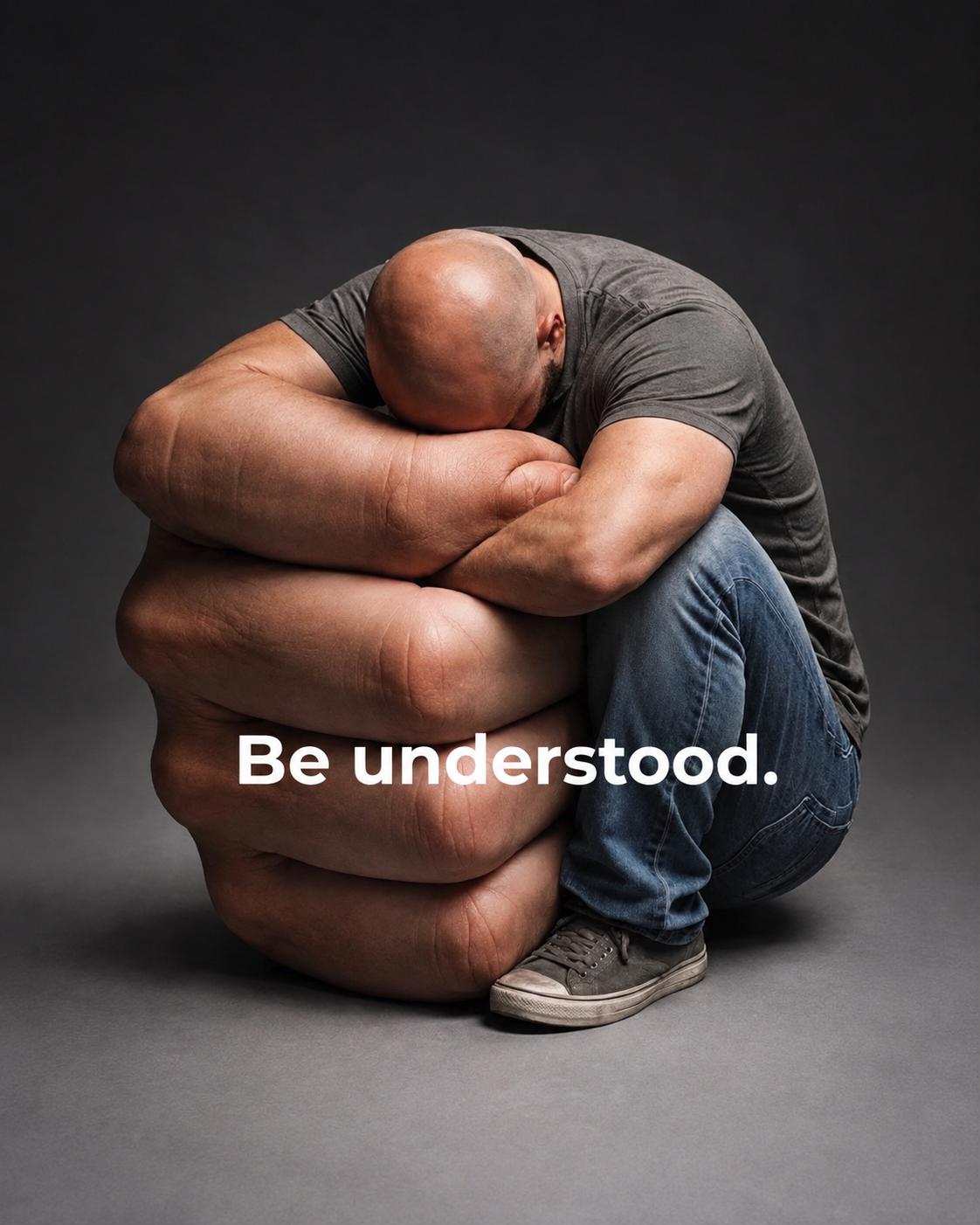
Everyone deserves to be understood.
Not just heard. Not simply advised. Not immediately analysed. Understood.
To understand someone's story is to look beyond what is visible on the surface. To become curious about what they feel. What they fear. What they have learned. What they protect. What they long for. And what they may not yet have the words to express.
That is where I believe meaningful therapy begins.

I don't believe there is a single formula for a human being.
Every person who enters therapy brings a different history, personality, relationship with the world and way of making sense of life. So I don't believe therapy should ask a person to fit into a fixed formula.
Instead, I integrate appropriate evidence-informed psychological approaches according to the individual, their needs and their therapeutic goals. Our work may involve exploring thoughts and behaviours, emotions, relationships, beliefs, past experiences, mindfulness or deeper psychological patterns.
But the approach always begins with the person—not the technique.
The principles that guide my work.
Empathy & Compassion
Every person deserves to be met with warmth, patience and respect.
Respect for Individual Journeys
There is no universal timeline for healing and no single definition of a meaningful life. We work with where you are, rather than an arbitrary schedule.
Continuous Learning
Psychology continues to evolve. So do I. I remain committed to learning, reflecting and growing as a therapist.
Independence, Not Dependence
Therapy should help you become more capable of understanding and navigating your life—not dependent on therapy forever.
Understanding Before Change
Lasting change becomes possible when we understand what lies beneath the patterns we want to change.
Professional expertise, grounded in human connection.
Nidhi Roy — Counselling Psychologist | Psychotherapist | Advanced Cognitive Hypnotic Psychotherapist (CHCP)
You don't have to have everything figured out.
A first conversation doesn't have to be a commitment to a long therapeutic journey. It can simply be a beginning. A chance to talk. A chance to be heard. A chance to see whether this feels like the right space for you.
Whenever you're ready, we'll begin wherever you are.